Istanbul in 24 Hours: The Ultimate 1-Day Layover Itinerary
Contents[hide]
No Cash, No SIM, and the Worst Airport Ever
I landed in Istanbul at 10:00 PM, with my next flight scheduled for 9:55 PM the following evening. This gave me one glorious window of daylight to explore the city.
First, I must give you a fair warning. Although the airport didn't leave much of a special impression on me upon arrival, it wasn't until the next day that I fully realized this might just be the worst airport ever. Istanbul is served by two major airports: Istanbul Airport (IST) on the European side, and Sabiha Gökçen International Airport (SAW) on the Asian side. My absolute grievance and complaint is specifically about SAW.
It was so hopelessly overcrowded that finding a single empty seat was an absolute luxury. To make matters worse, you had to wait in line for almost anything: the restrooms, water fountains, and even phone charging stations! Water refill stations were pretty rare, and when I finally found one, the water was barely dripping out. The ceilings were low, making the whole airport feel incredibly cramped and chaotic!
I spent the night at a hostel on the Asian side before diving into this famous city the next morning. With only one short daylight window, I went completely minimalist: zero paid sightseeing, zero local cash, and no SIM card. Luckily, it turned out to be a phenomenal day filled with unforgettable moments and plenty of delicious local eats!
Istanbul 101: The Geography Lesson You Can't Miss
Istanbul is a transcontinental metropolis where a millennium of history unfolds across Europe and Asia. Geographically, historically, and culturally, the city is intuitively divided into three core regions, naturally carved out by the Bosphorus Strait (separating Europe and Asia) and the Golden Horn (separating the old and new European sides).
The European Side — Sultanahmet (Old City)
This is the ancient heart of Istanbul, serving as the imperial epicenter for the Byzantine, Eastern Roman, and Ottoman Empires. Primarily encompassing the Fatih district, this peninsula is steeped in profound historical gravity and boasts the city's highest concentration of UNESCO World Heritage sites. Walking through the cobblestone streets of Sultanahmet feels like stepping back in time, where the iconic silhouettes of the Hagia Sophia and the Blue Mosque dominate the skyline. Here, you will find the opulent courtyards of Topkapi Palace and the labyrinthine corridors of the Grand Bazaar. It is an open-air museum defined by the timeless grandeur of past empires.
The European Side — Karaköy (The Modern Hub)
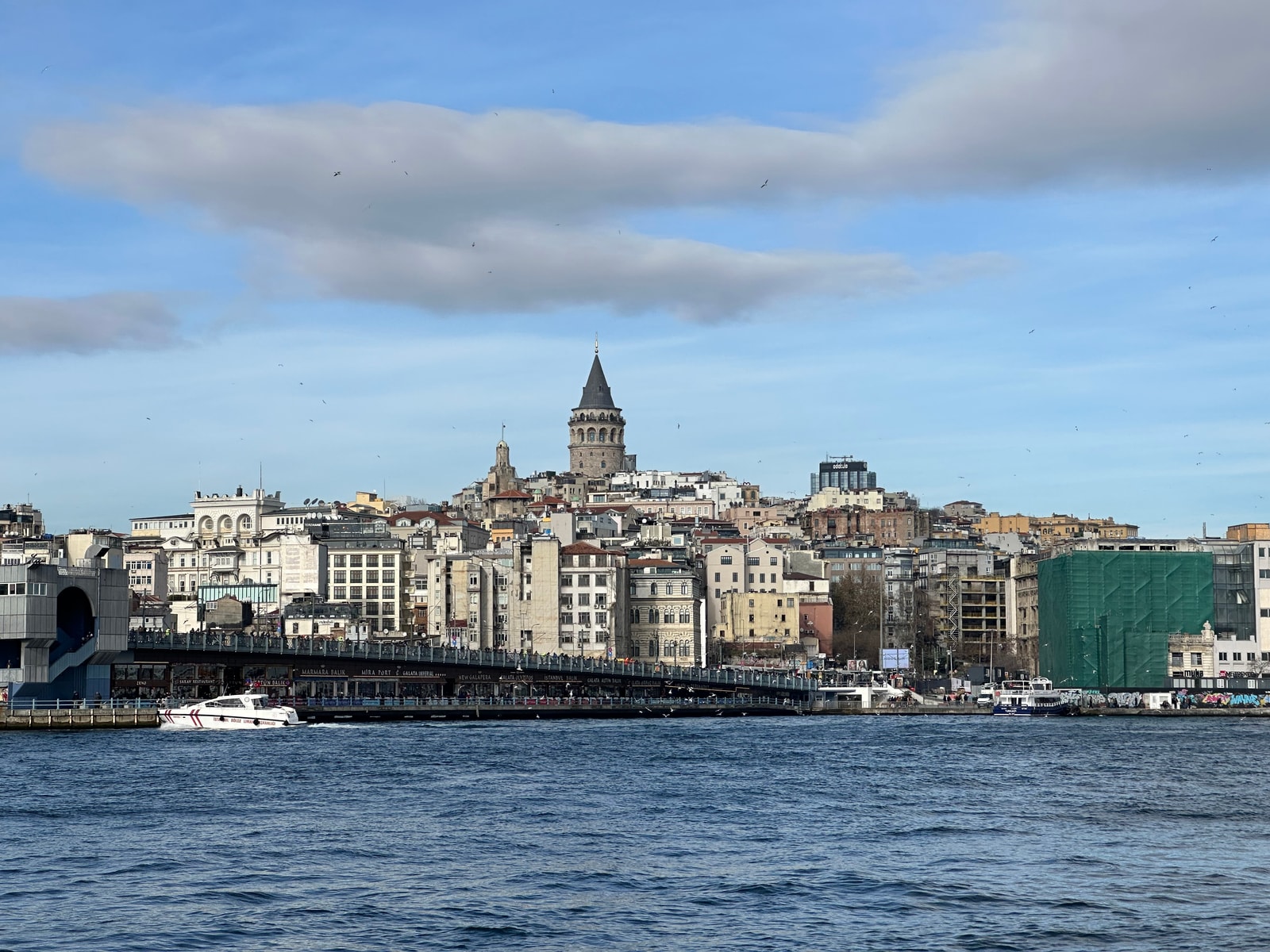
Facing the Old City across the Golden Horn, Karaköy is the modern commercial, entertainment, and nightlife hub of Istanbul, showing strong Western influences since the late Ottoman era. Once an old port district dominated by hardware stores, it has undergone heavy gentrification over the past decade. Today, chic coffee roasters, design hotels, and contemporary galleries coexist with traditional corner bakeries and fish markets. Serving as the foothill outpost of Galata, it is the first point of arrival when crossing by ferry from Asia. The uphill walk from the ferry terminal to the historic Galata Tower remains one of Istanbul’s most cinematic urban stretches.
The Asian Side — Kadıköy (The Local Heartbeat)
Crossing the Bosphorus brings you to the Asian side, a more laid-back, residential, and budget-friendly region. Kadıköy is the crown jewel of this side—a vibrant neighborhood where locals actually live, far from the tourist crowds of the Old City. Its narrow alleys are crammed with bustling produce markets, indie bookshops, colorful street murals, and lively craft beer bars. A stroll along the scenic Moda coastline offers an effortless waterfront escape, while the ferry terminal connects you straight back to Europe. For many residents, Kadıköy is the most livable and authentic corner of Istanbul, offering a genuine slice of contemporary Turkish life.
Places to visit in Istanbul
My one-day trip started and ended in Kadıköy, the asian side. I arrived at the ferry terminal by subway. Grabbed a local sandwich and headed to Karaköy by ferry. You will reach Galata Tower and Kamondo Stairs within 10 minutes after the ferry. The ferry timetables on Google Maps are reliable.
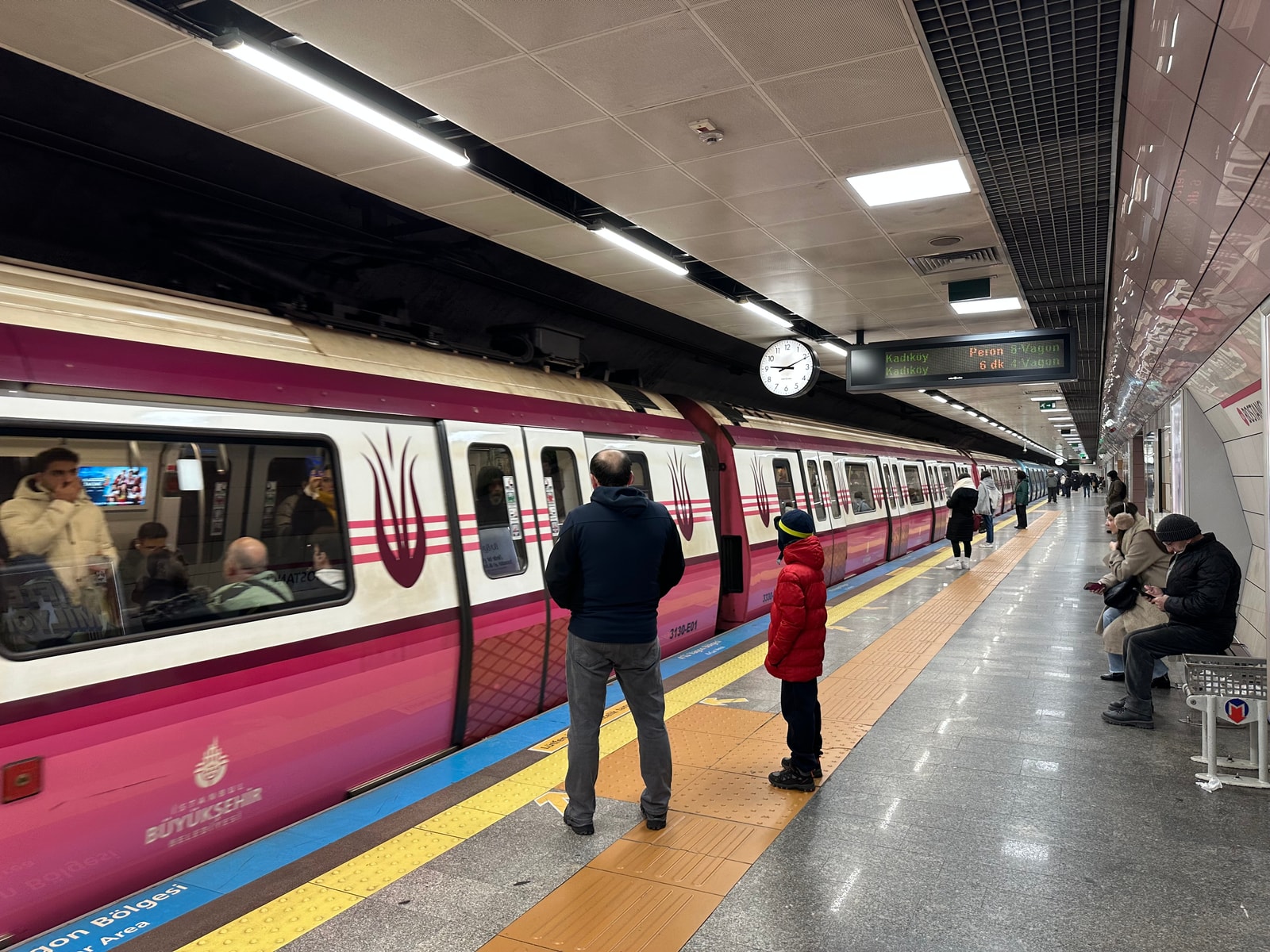
Subway (paid by credit card)
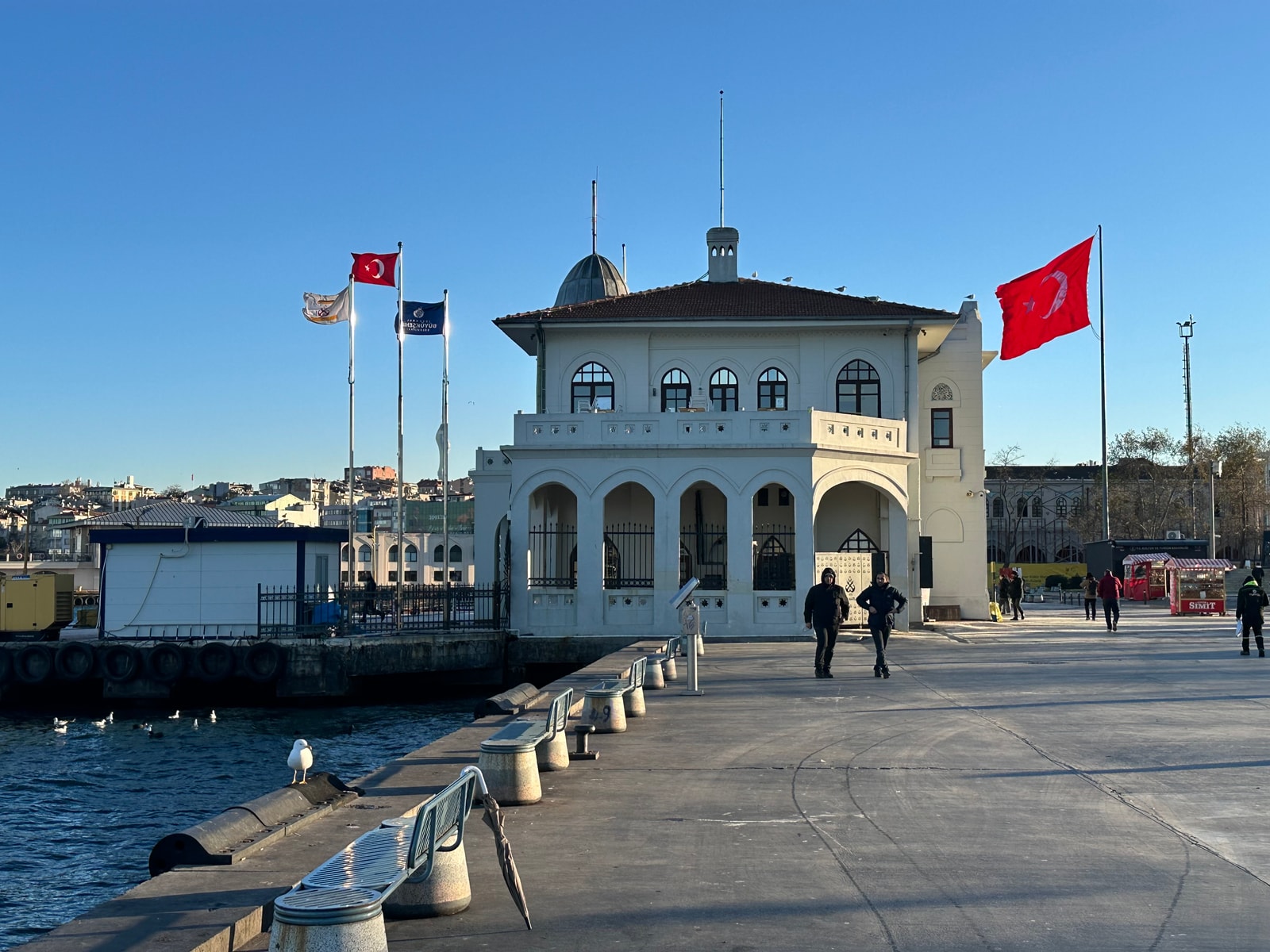
Ferry terminal (paid by credit card)
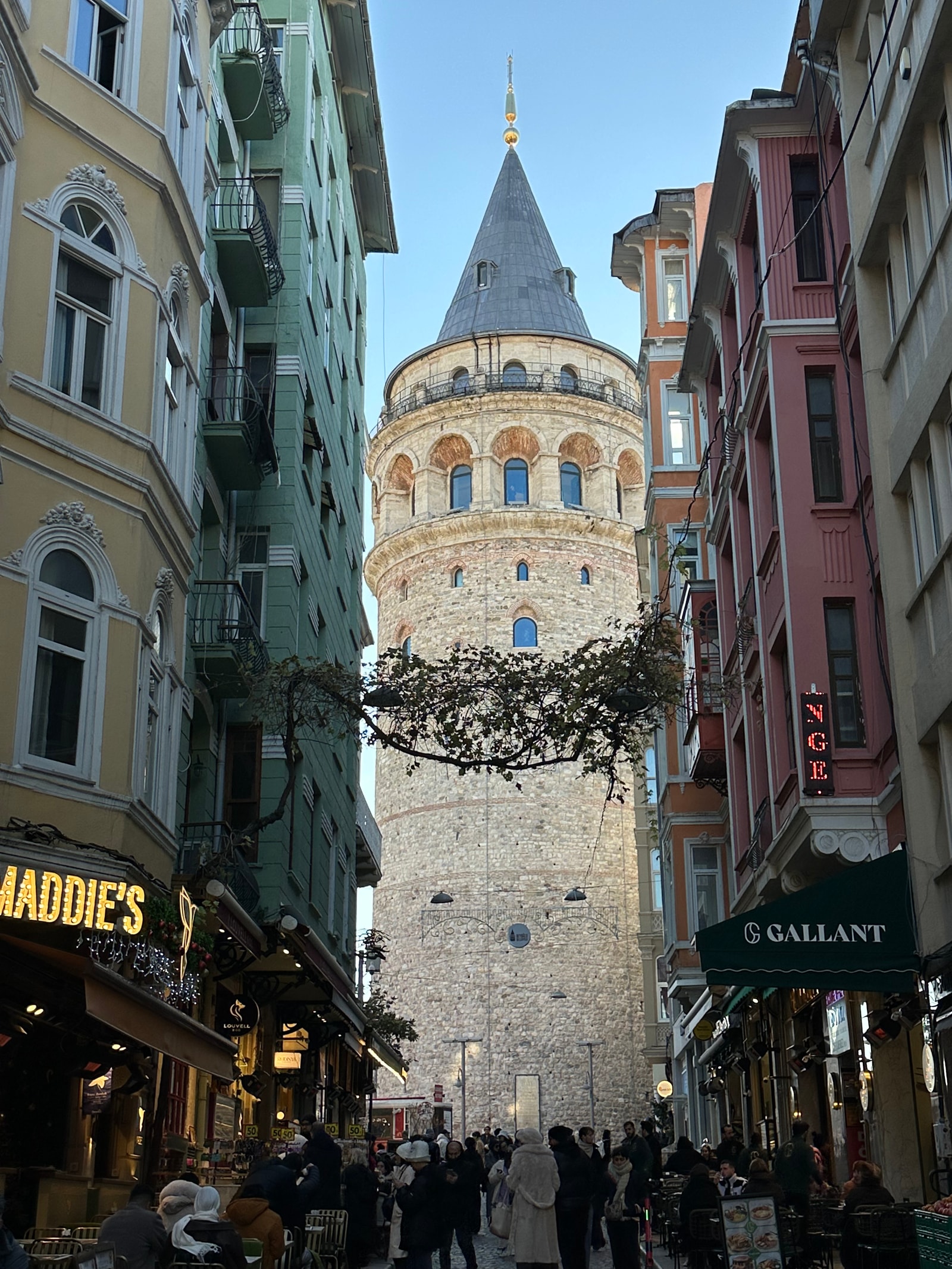
Galata Tower (Galata Kulesi)
Built by the Genoese in 1348, this cylindrical stone tower is one of Istanbul's oldest skyline landmarks. At 67 meters, it has served as a prison, watchtower, and fire station during Ottoman times. Today an elevator takes you to the top observation deck for a 360-degree panorama of the Golden Horn, the Bosphorus, and the Old City peninsula. Lines are usually long — go first thing in the morning. The surrounding Galata neighborhood is worth exploring in its own right: narrow alleys, record shops, rooftop bars, and a bohemian energy that feels almost un-Istanbul.
Ticket: €28. Buy online at muze.gov.tr to skip the line. The ticket price is outrageous. I don't recommend going inside to vist.
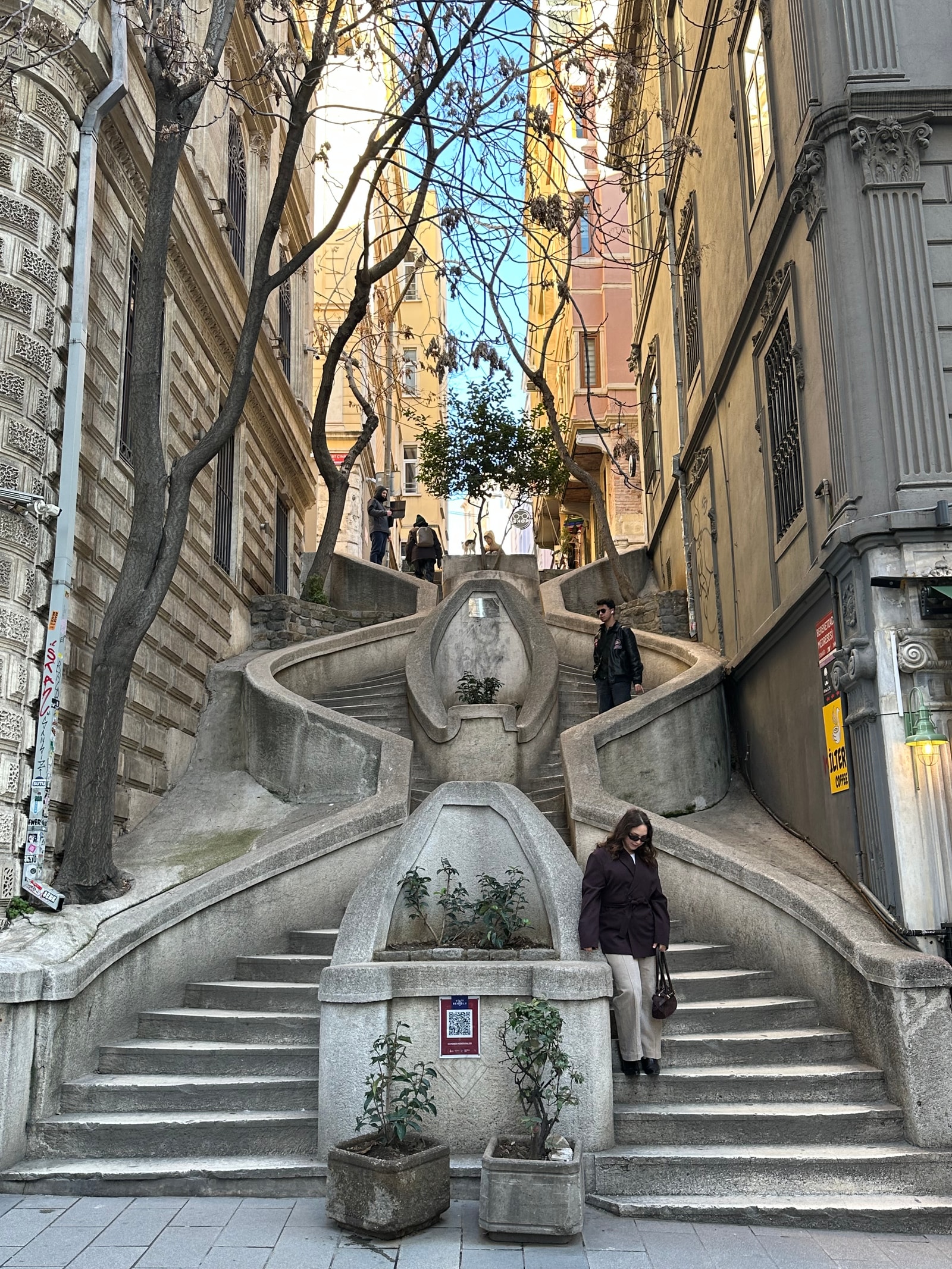
Kamondo Stairs (Kamondo Merdivenleri)
A Baroque-Art Nouveau curved stairway in the Galata district, linking Bankalar Caddesi with the residential alleys uphill. Funded by the 19th-century Ottoman Jewish banking family Camondo, it was designed to shorten and improve their children's walk to school. The hexagonal shape wasn't an aesthetic choice — it was engineered for grip in rain and snow. One of Istanbul's smallest but most elegant urban details. It takes almost no detour to walk through, and it's a shame to miss.
Then it is the exciting moment to cross the Galata Bridge, an icon in Istanbul!
Galata Bridge (Galata Köprüsü)
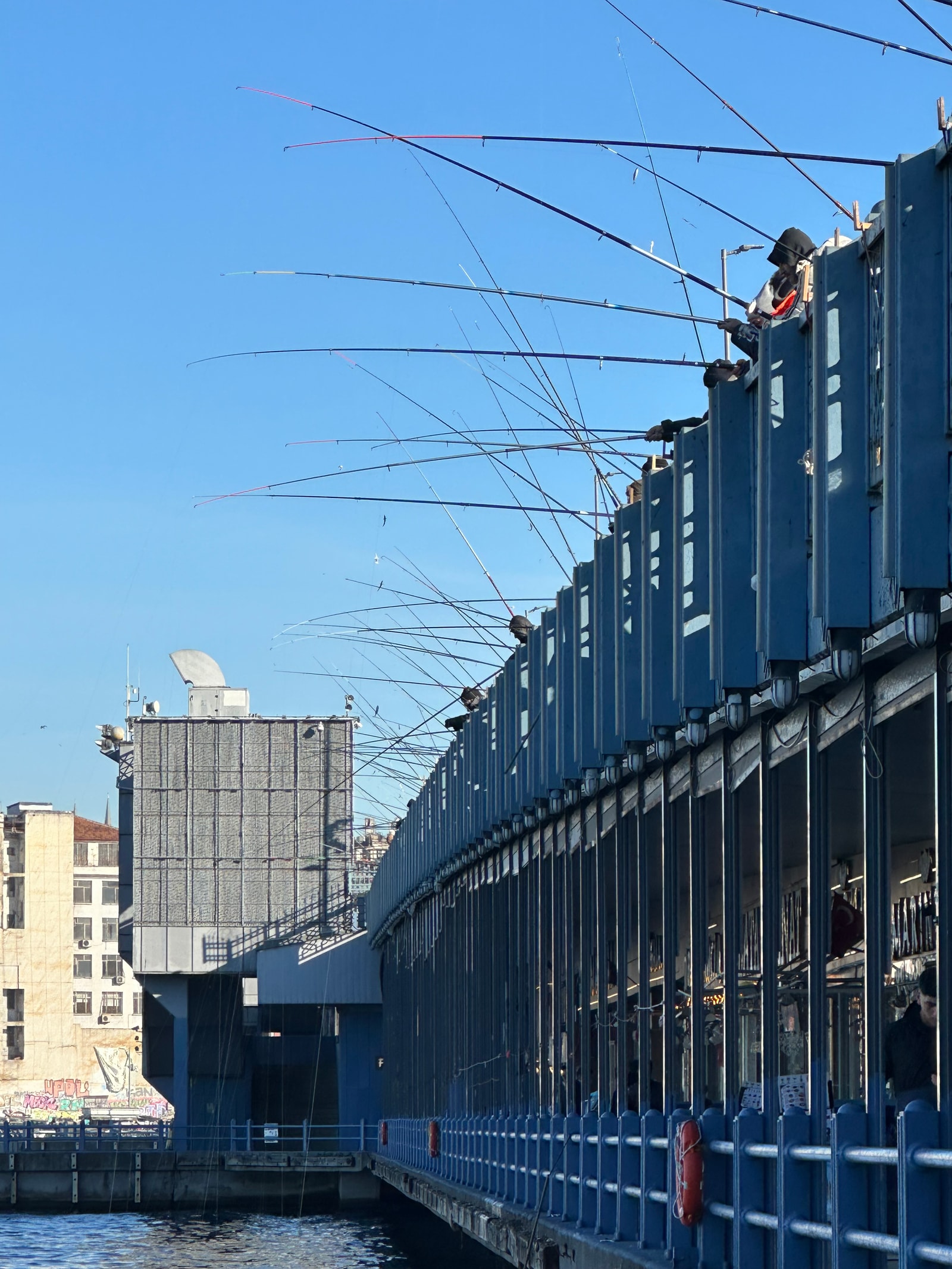
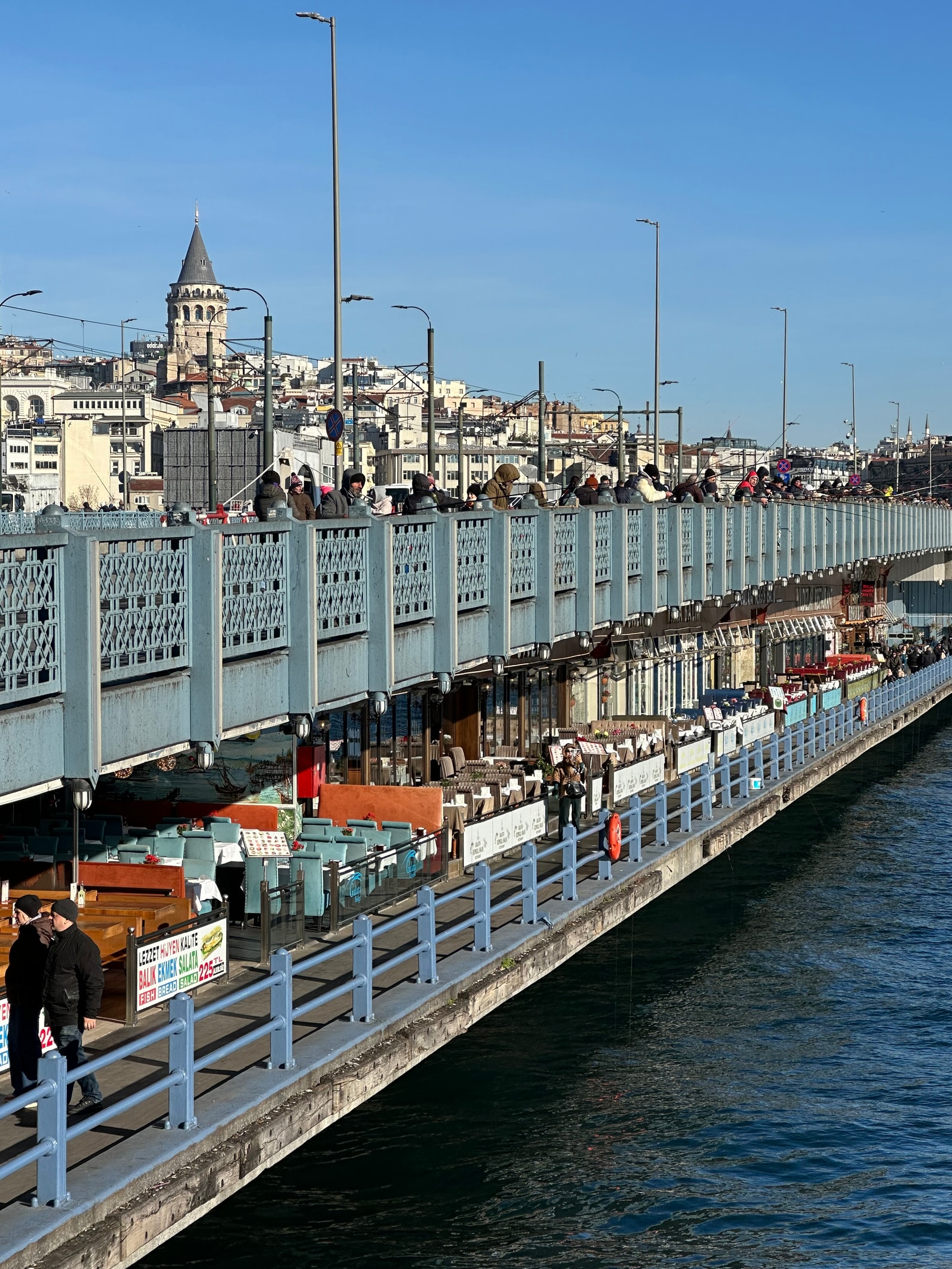
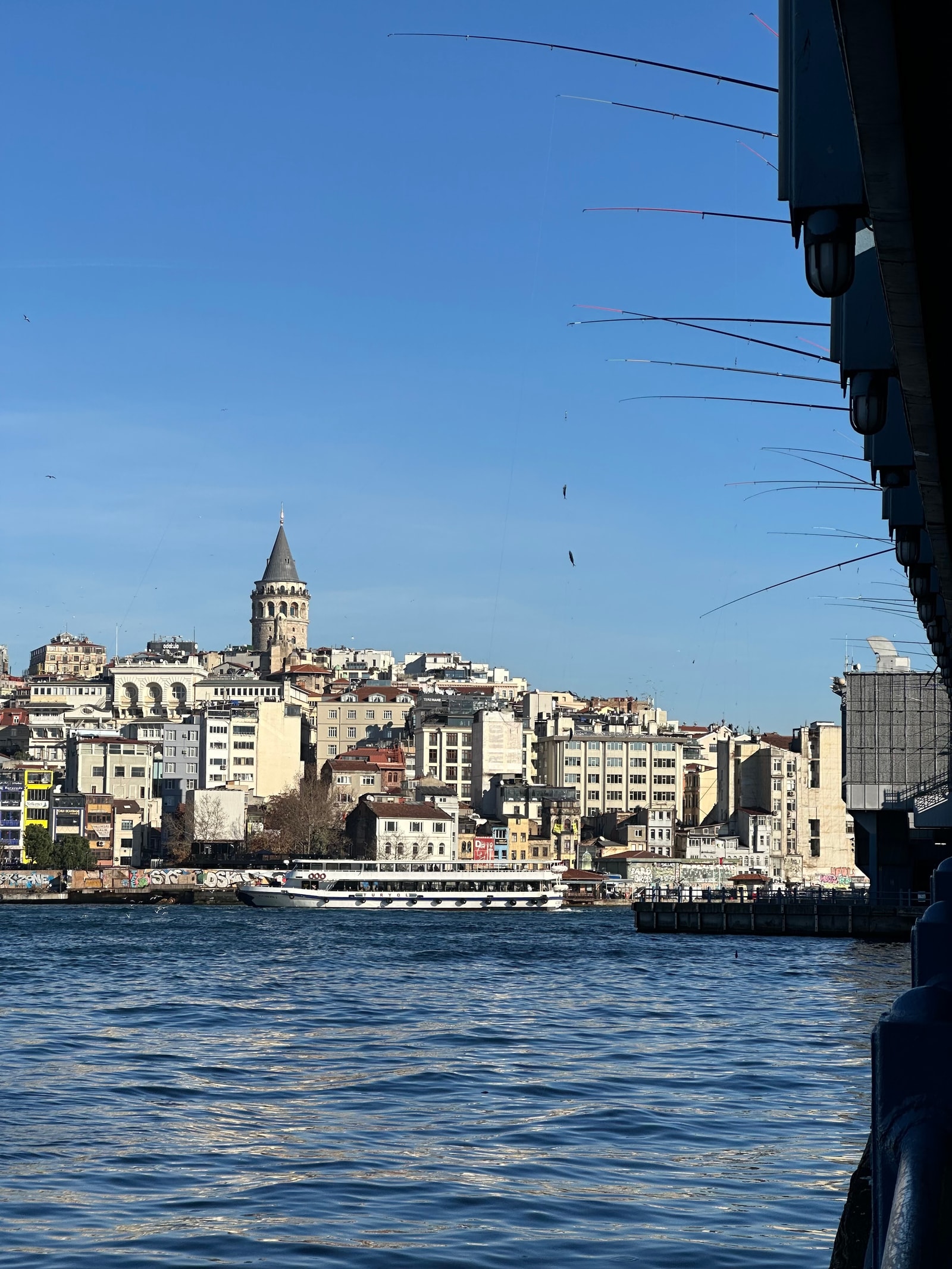
A double-deck steel bridge spanning the Golden Horn, connecting Karaköy to Eminönü. The upper level carries traffic and pedestrians; the lower level is lined with restaurants and tea houses. The real draw is the daily theatre on the bridge, where dozens of local anglers lean fishing rods over the railing all day, lines dropping straight into the water. At sunset the bridge turns gold in backlight, with the silhouette of the Süleymaniye Mosque in the background. You don't need to budget time for it. Just walk across, because it's the natural east-west artery of the city anyway.
New Mosque (Yeni Camii) + Hatice Turhan Valide Sultan Türbesi
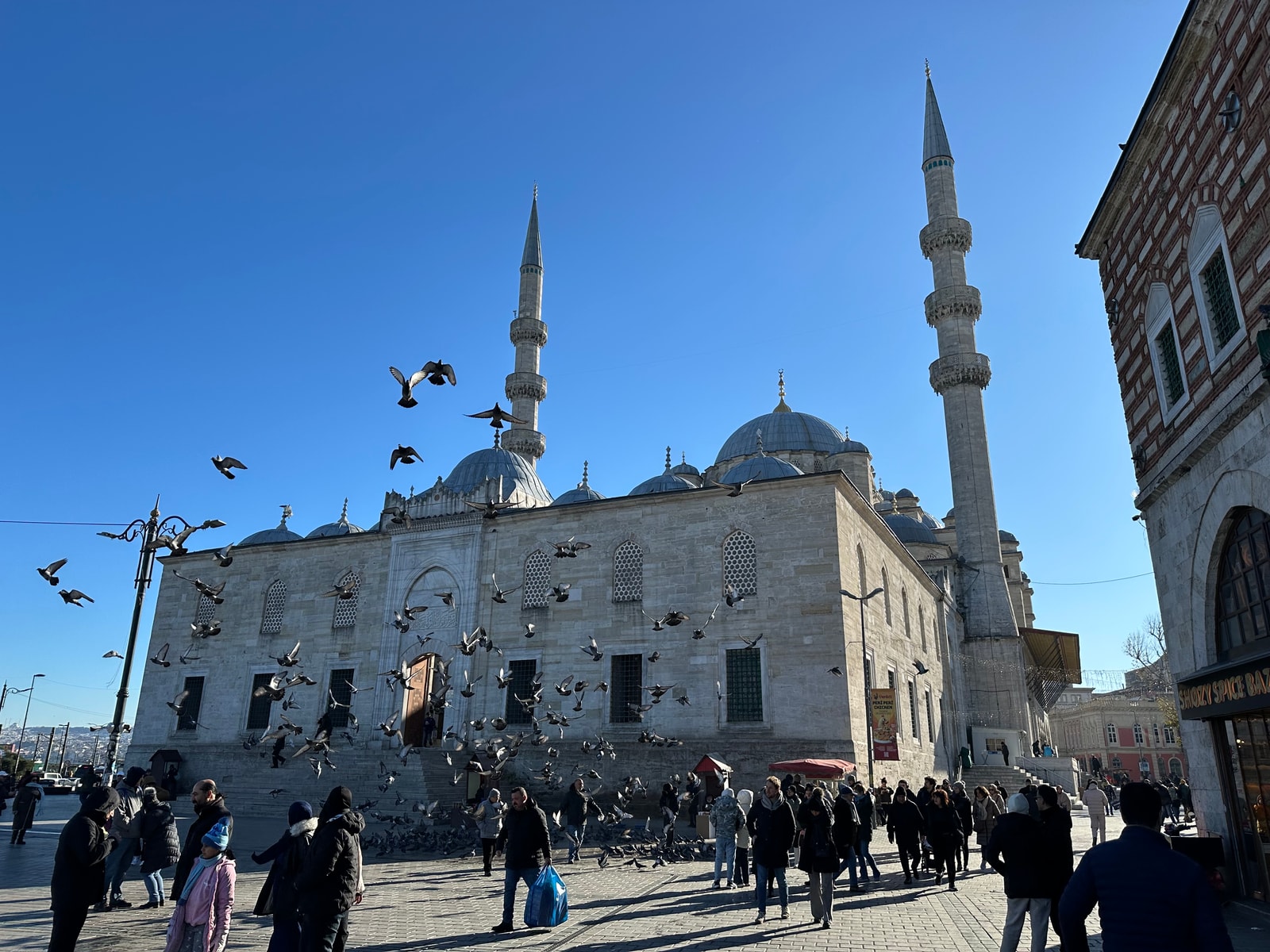
Located directly opposite the Eminönü ferry docks, it's the most prominent landmark on the south bank of the Golden Horn. Its name means "New Mosque," but it was completed in 1665 — "new" only relative to its neighbors. Inside, extensive İznik tilework, gold calligraphy, and painted domes make it an underrated visit — smaller than the Blue Mosque but with a fraction of the crowds, so the experience is arguably better. The square in front is permanently occupied by flocks of pigeons. The Egyptian Spice Bazaar is right next door.
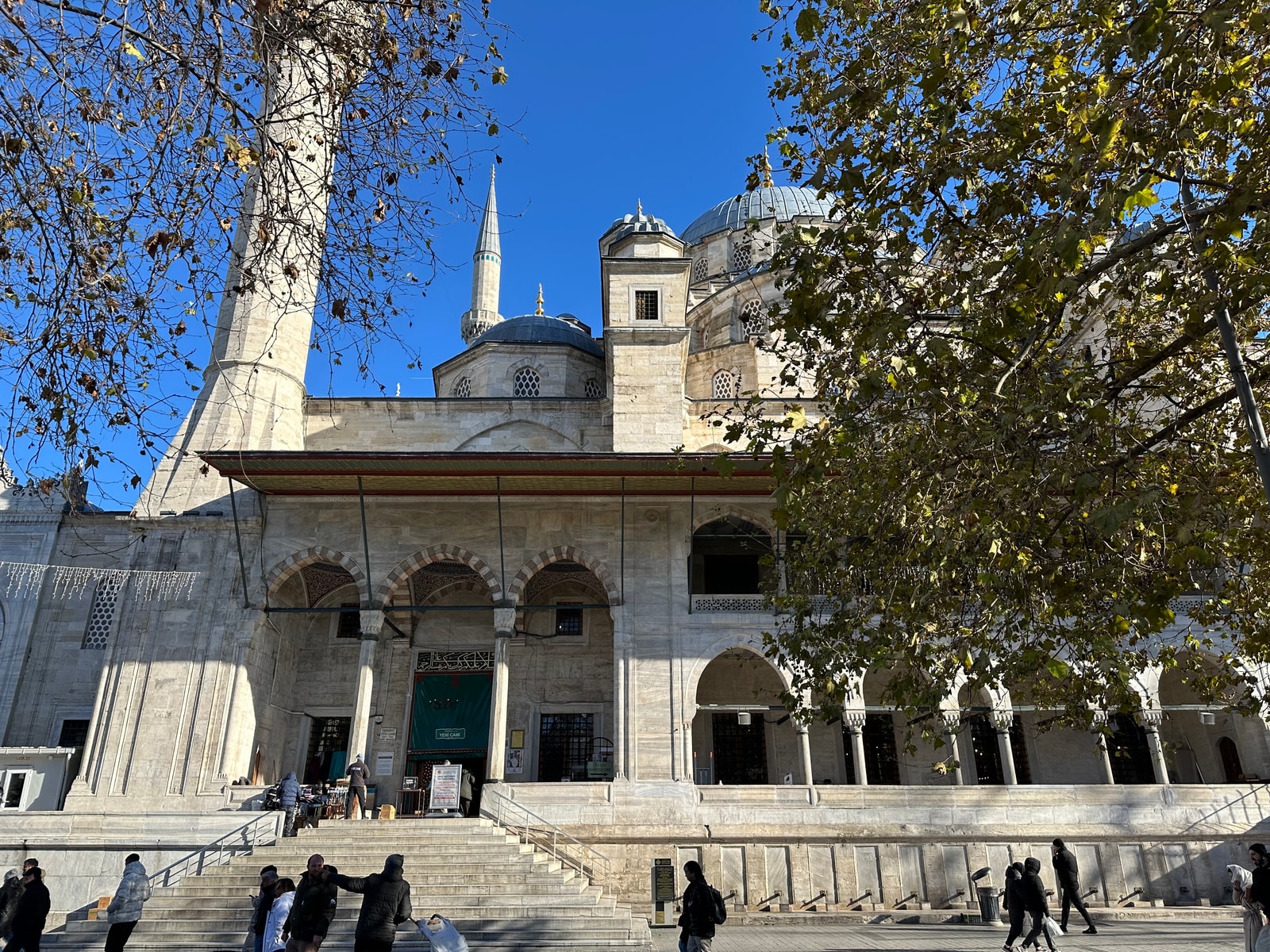
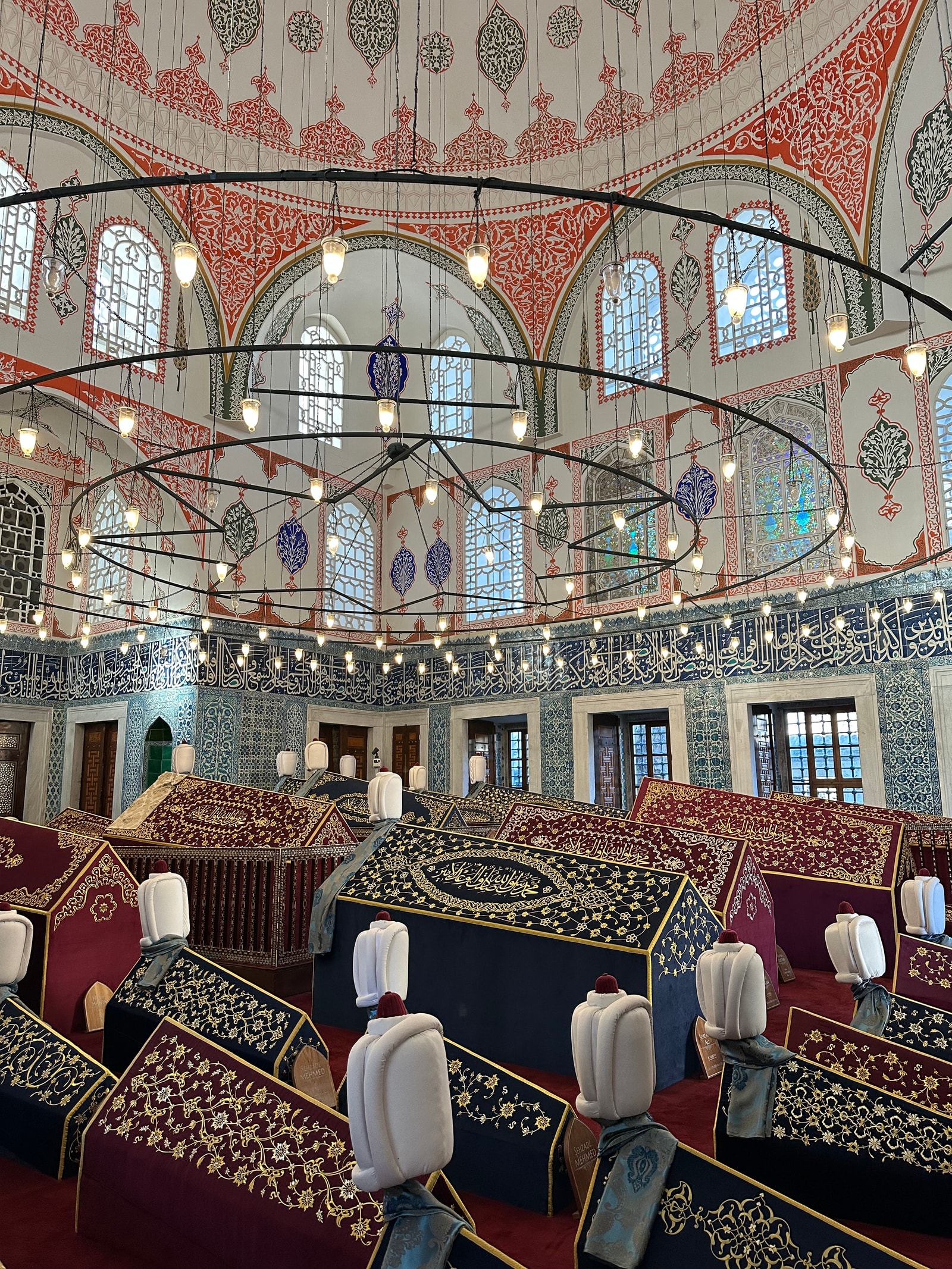
The Tomb of Hatice Turhan Valide Sultan sits beside the Yeni Cami. Built in 1663, it is the final resting place of one of the most powerful women of the Ottoman Empire, the mother of Sultan Mehmed IV, and features a stunning interior of Iznik tiles, intricate calligraphy, and gilded carvings. Several other sultans and royal family members are also buried here, including Mehmed IV himself and four later Ottoman sultans.
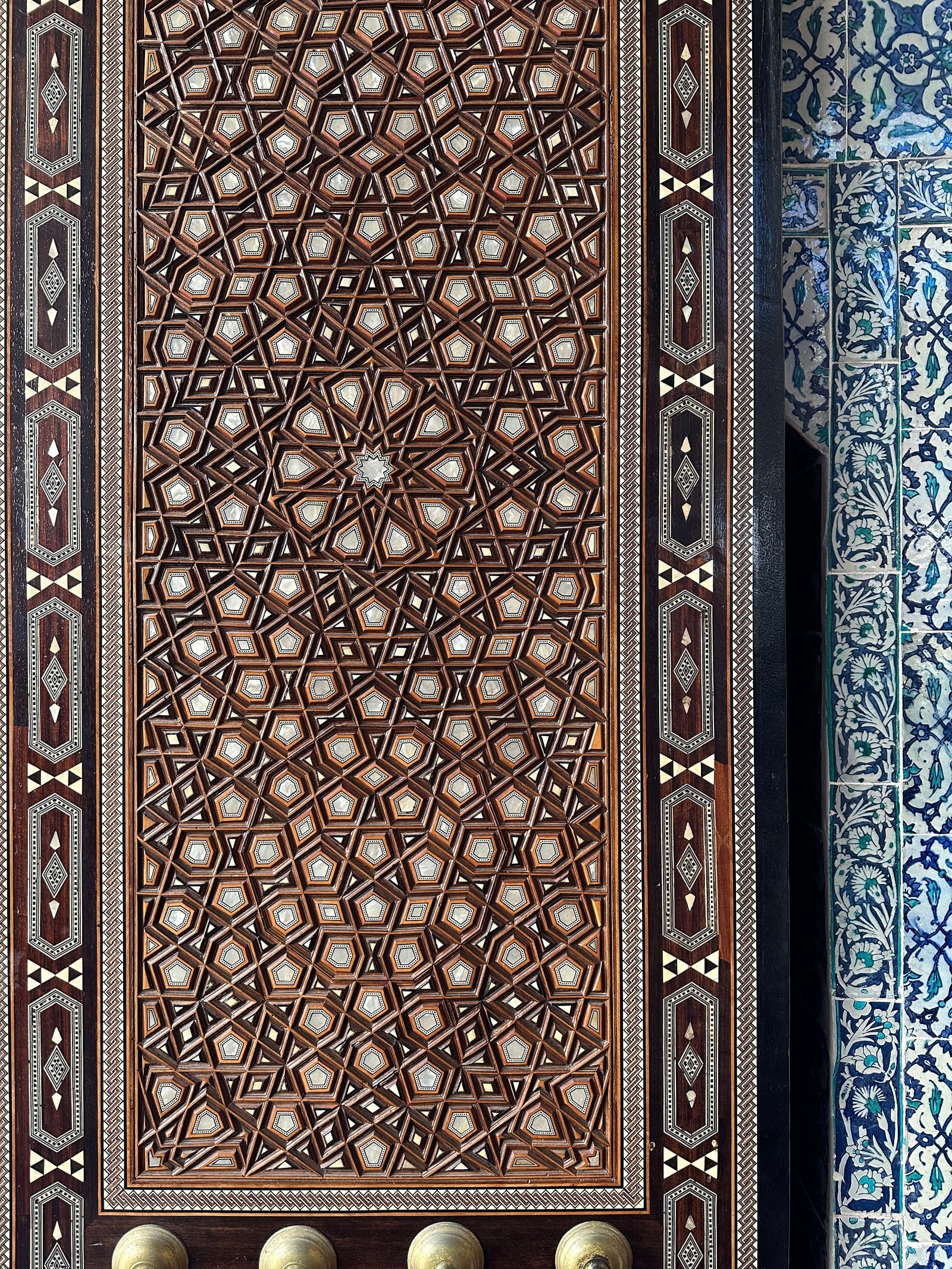
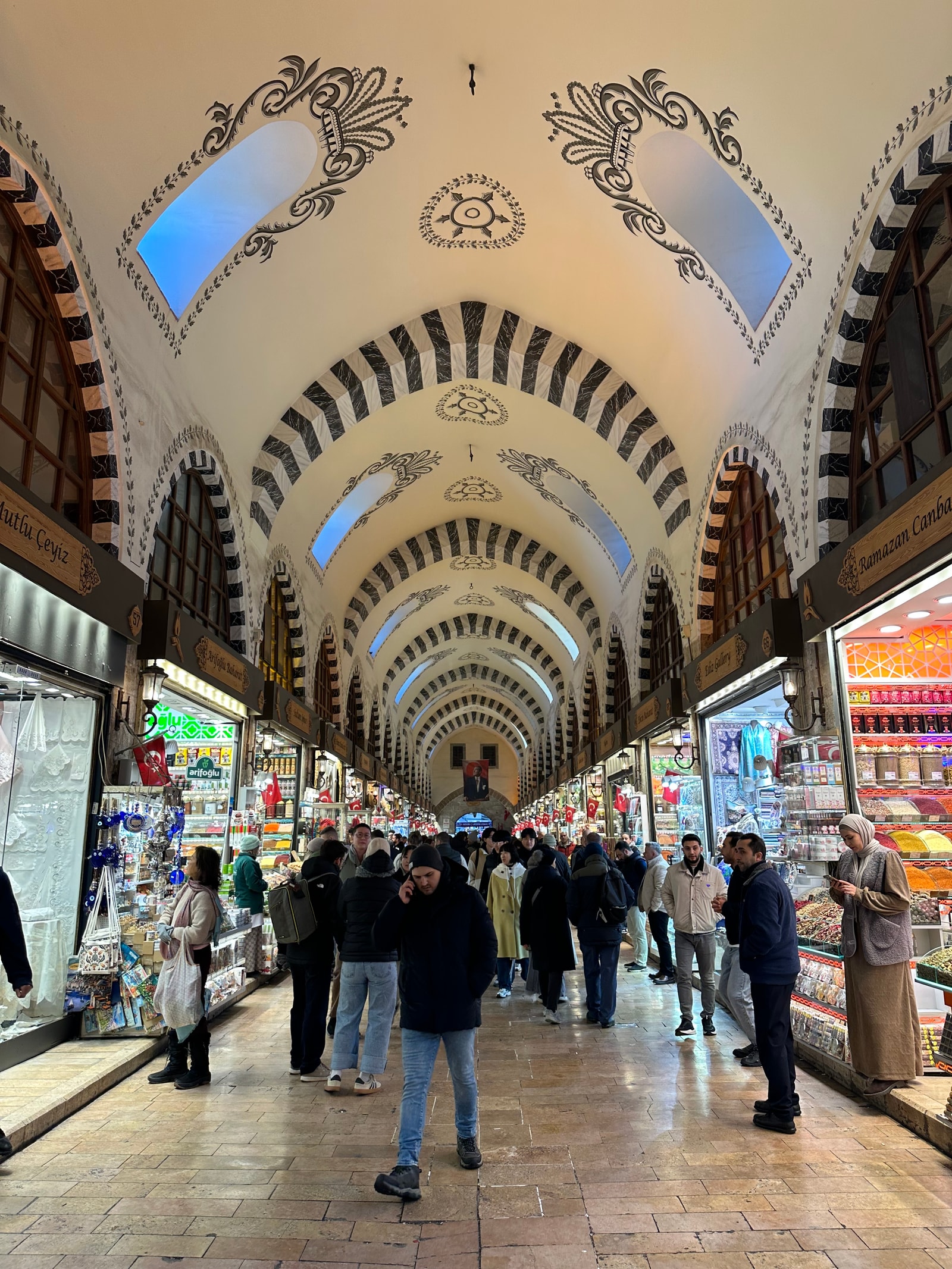
Grand Bazaar (Kapalı Çarşı)
A 10-minutes walk lead you to one of the world's largest and oldest covered markets. It was built in 1461, spanning 61 streets and over 4,000 shops. You'll find everything from Turkish carpets, copperware, and ceramic lamps to knockoff designer bags, spices, and gold jewelry — quality varies wildly. For most visitors, the Grand Bazaar is more an attraction than a shopping destination; the labyrinthine vaulted corridors are the experience. Haggling is the default and expected — not haggling is stranger than doing it. If you're not buying anything, just walk the main central avenue for the vaulted ceilings and mosaics.
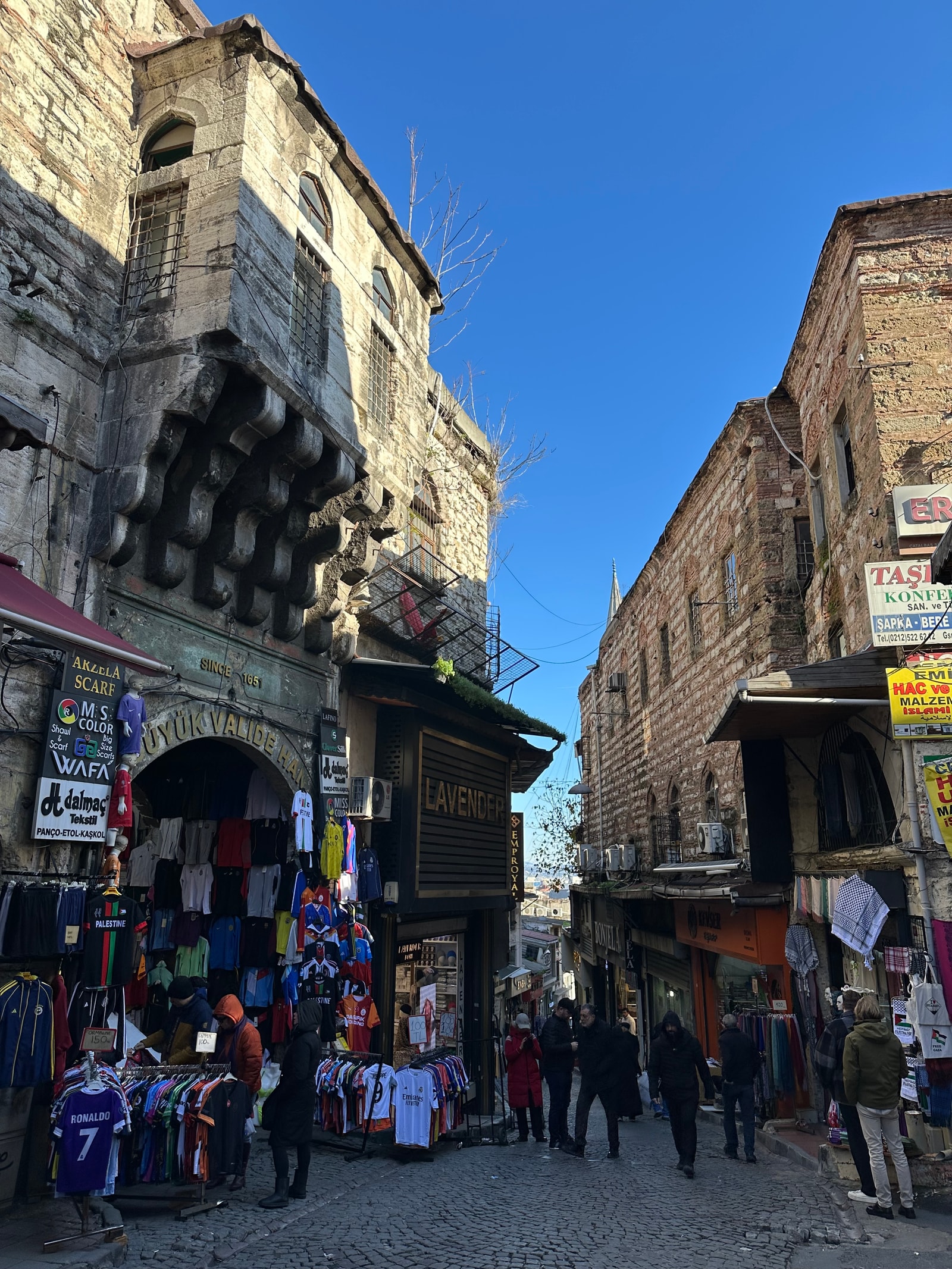
I passed Cistern of Theodosius and Sultanahmet Square along the 15-minutes walk to the Blue Mosque. I do not recommend entering any water reservoirs in Istanbul... The price is just worth it.
Cistern of Theodosius (Şerefiye Sarnıcı)
It is a 1,600-year-old Byzantine water reservoir in Istanbul, built under Emperor Theodosius II in the 5th century. Smaller and lesser-known than the famous Basilica Cistern, it was recently restored and now features a modern light and sound exhibition, with steel walkways letting you walk above the ancient columns and water.
Ticket: 20 euros for foreign visitors.
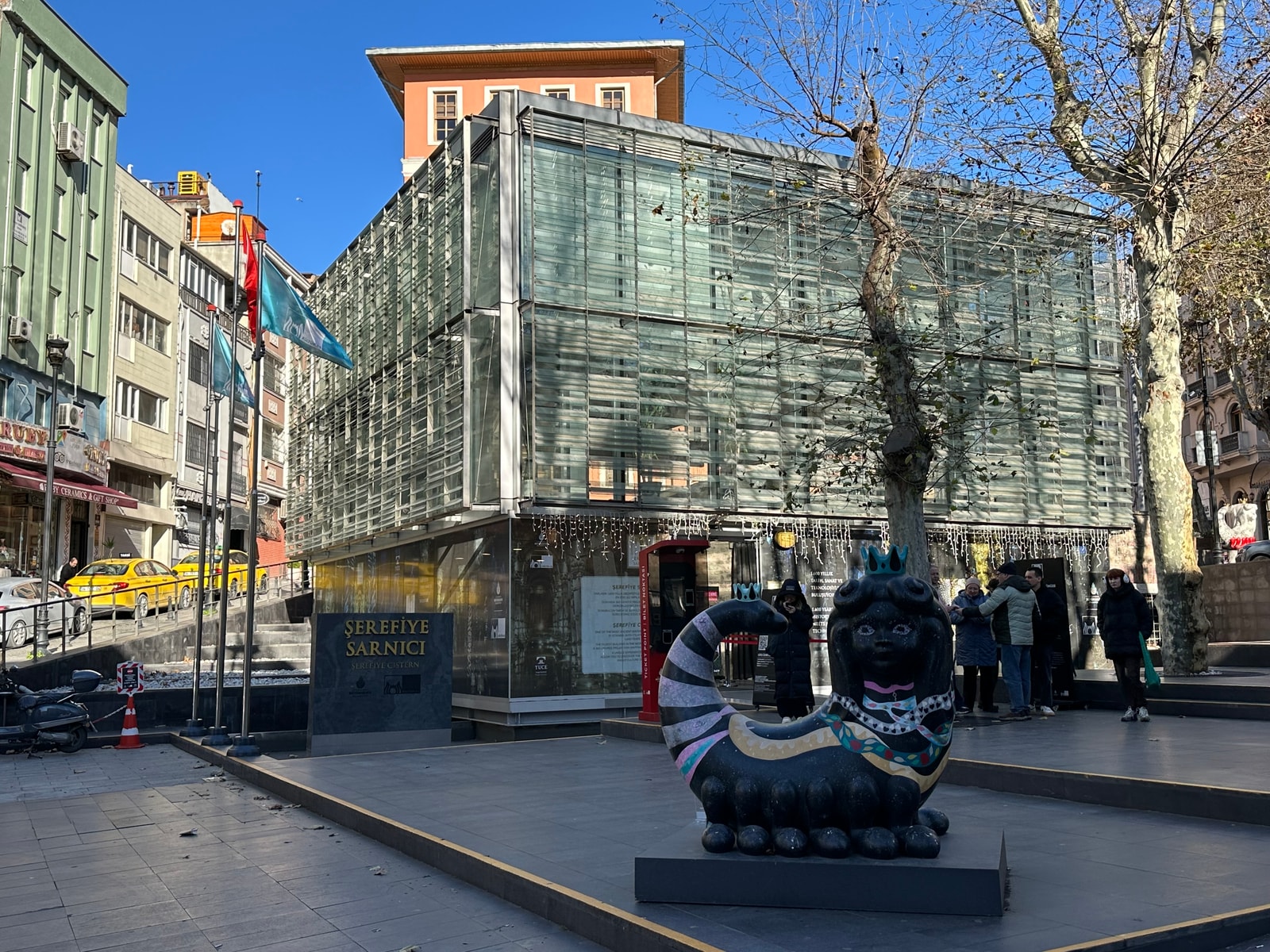
Şerefiye Sarnıcı
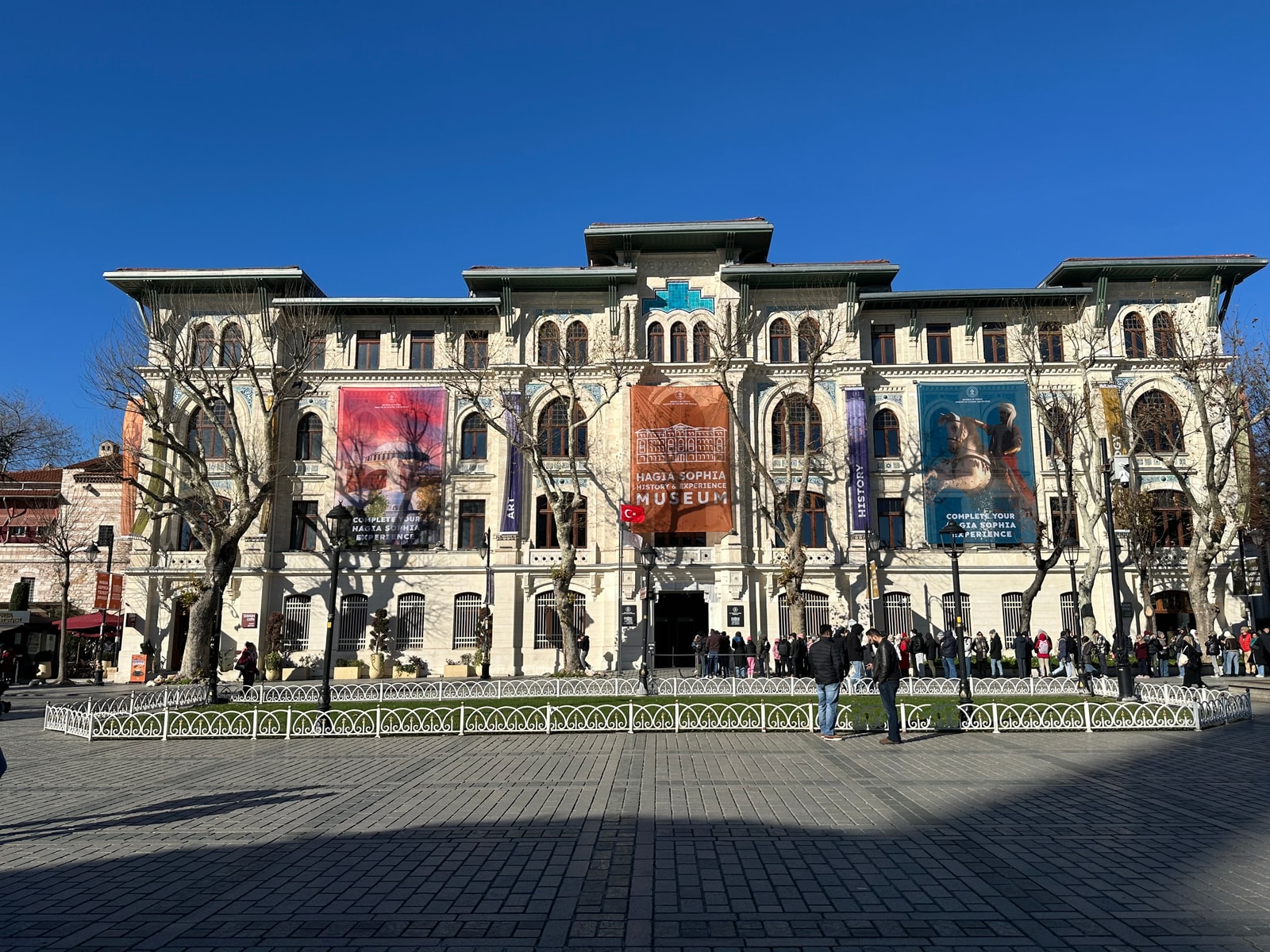
Sultanahmet Square
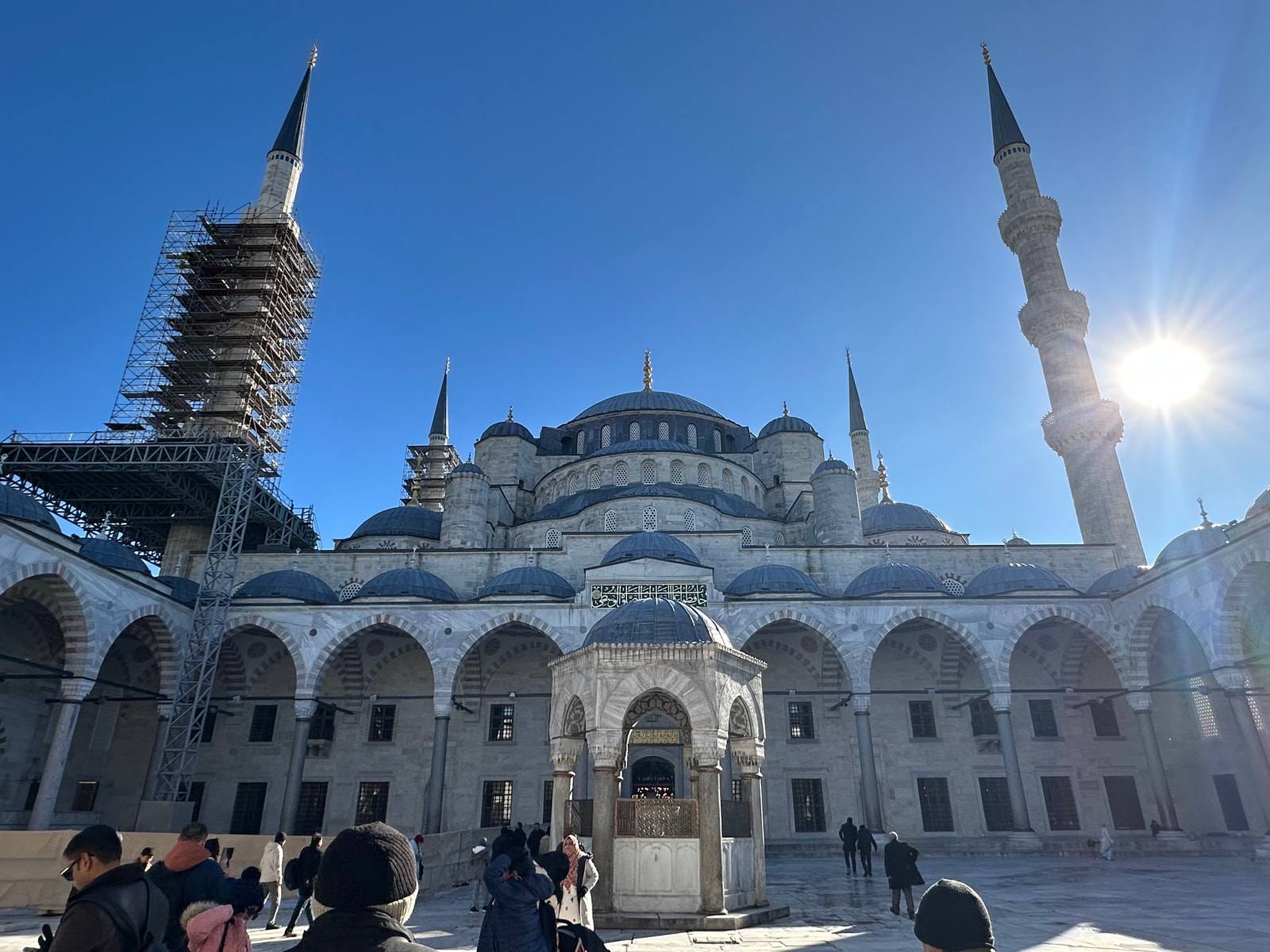
Blue Mosque (Sultan Ahmet Camii)
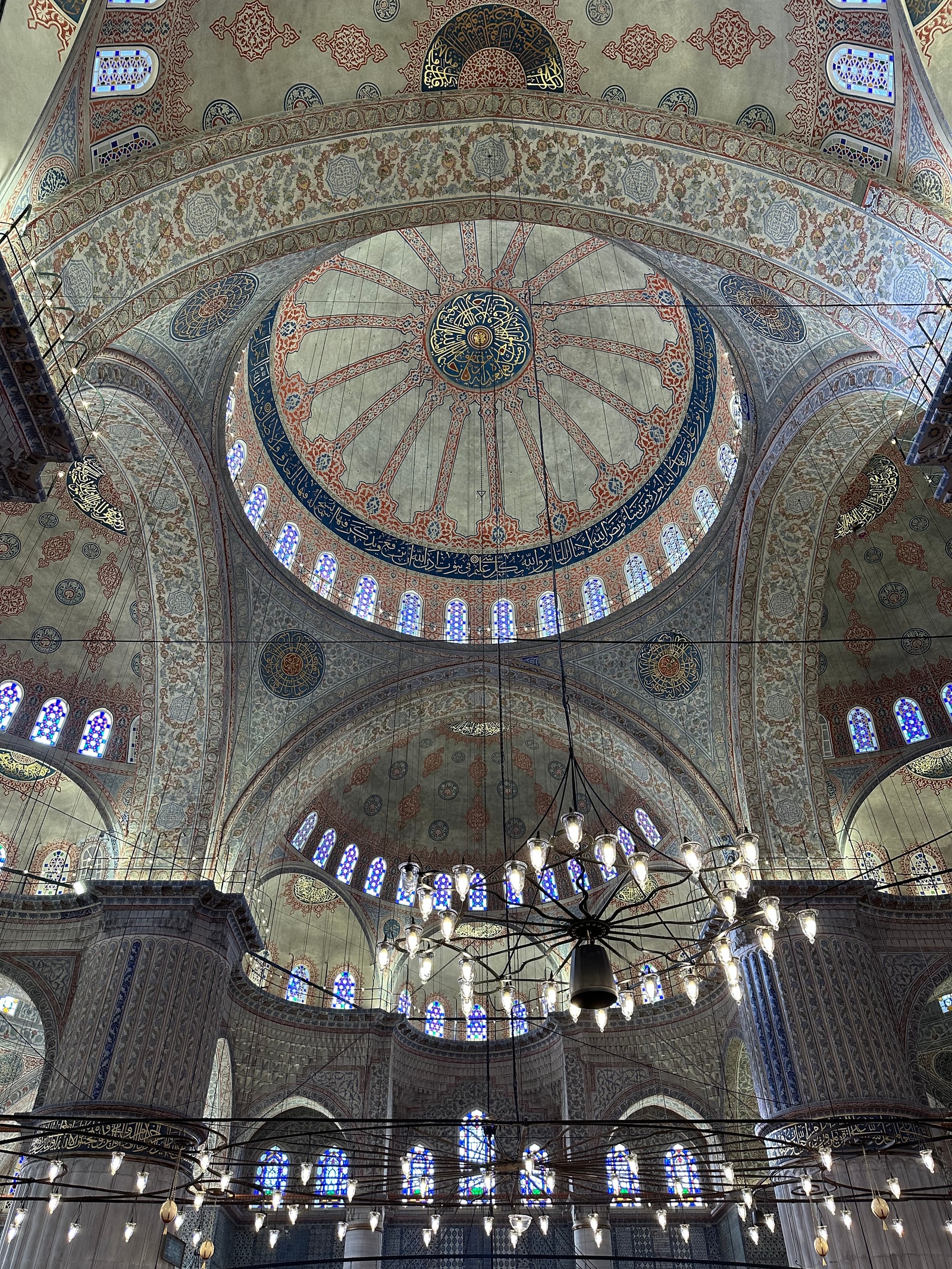
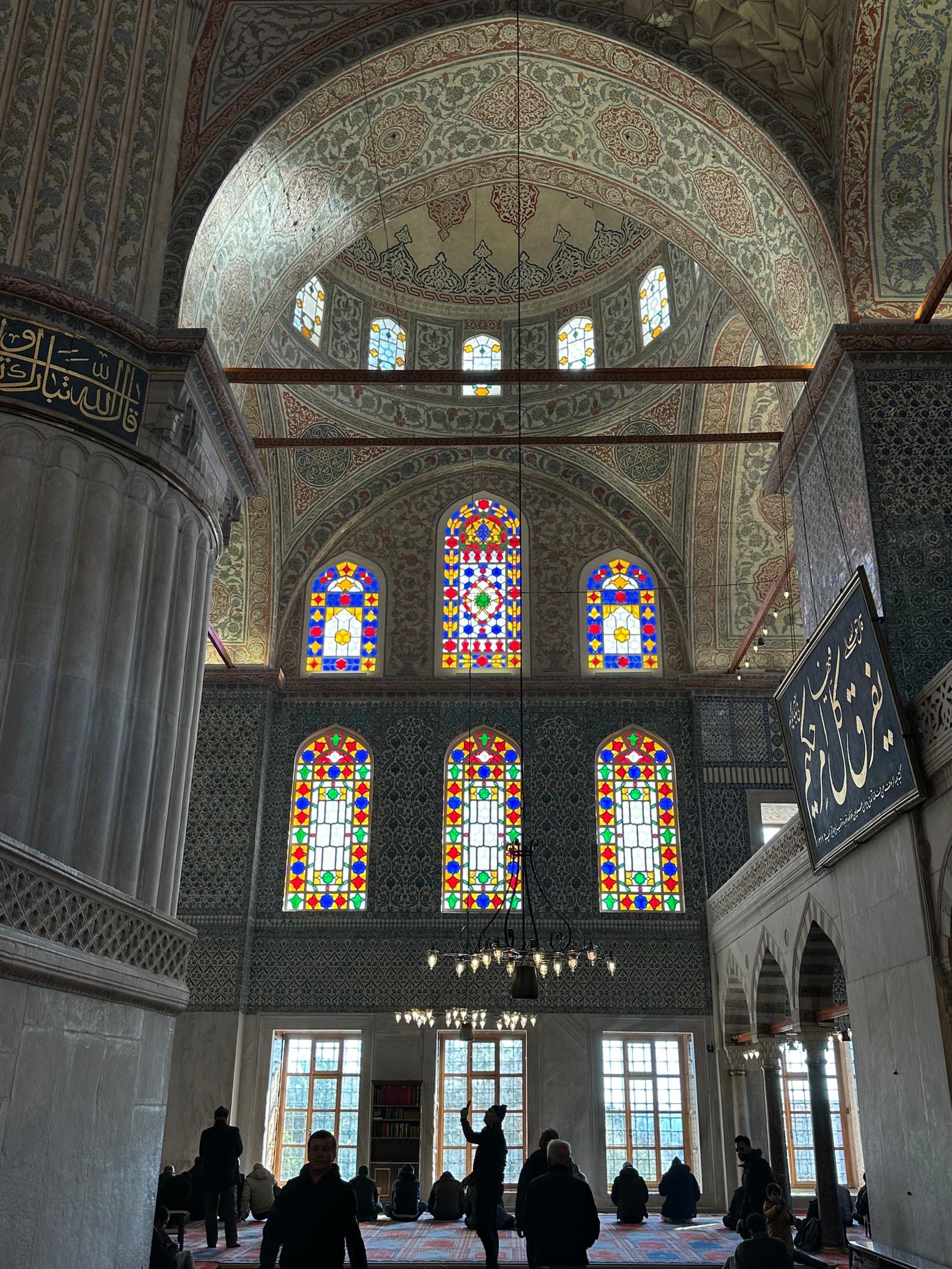
Built 1609–1616, Istanbul's most famous mosque, nicknamed the "Blue Mosque" for over 20,000 hand-painted İznik tiles in blue tones lining the interior. Its six minarets caused controversy at the time — they matched the minaret count of the Great Mosque in Mecca, a problem the sultan solved by funding a seventh for Mecca. The central dome spans 23.5 meters, lit naturally through 260 stained glass windows. Still an active mosque; closed during prayer times.
It's free! Shoes off at the door; women should cover their hair.
Hagia Sophia Grand Mosque (Ayasofya)
Built in 537 by Byzantine Emperor Justinian I, Ayasofya served as a Christian cathedral for nearly a millennium, converted to a mosque after the Ottoman conquest in 1453, turned into a museum by Atatürk in 1935, and reconverted to a mosque in 2020. Its shifting identity is a condensed history of the Mediterranean itself. The most breathtaking feature: the 31-meter central dome — an engineering miracle in the 6th century — whose ring of windows at the base scatters light in a way that makes the dome appear to float. The upper galleries retain extensive Byzantine gold mosaics.
Ticket: €28 for foreign visitors (upper gallery access). Free for worshippers in the ground-floor prayer area. Buy at hagiasophia.com or on site. Closed during prayer times.
There are too many beautful mosuqes in Istanbul. I'd rather spend the money on locl food.
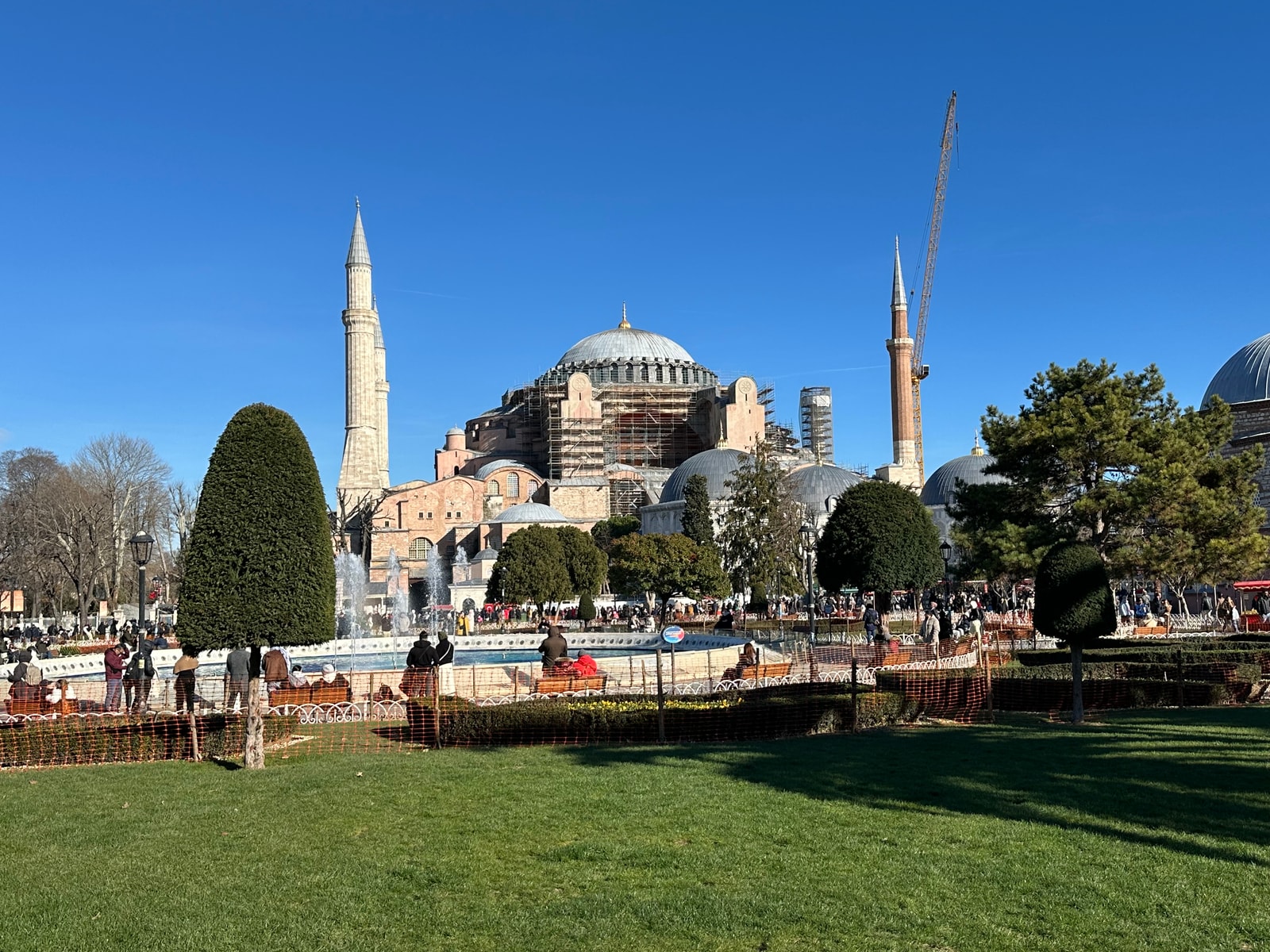
Hagia Sophia
I skipped Istanbul Archaeological Museums and Topkapi Palace Museum. The best recovery spot after pounding the Old City pavements is Sarayburnu Park, only a five-minute walk from Hagia Sophia. After a break, I walked to the ferry terminal at Eminönü, where I took the ferry back to the Asian Side — Kadıköy.
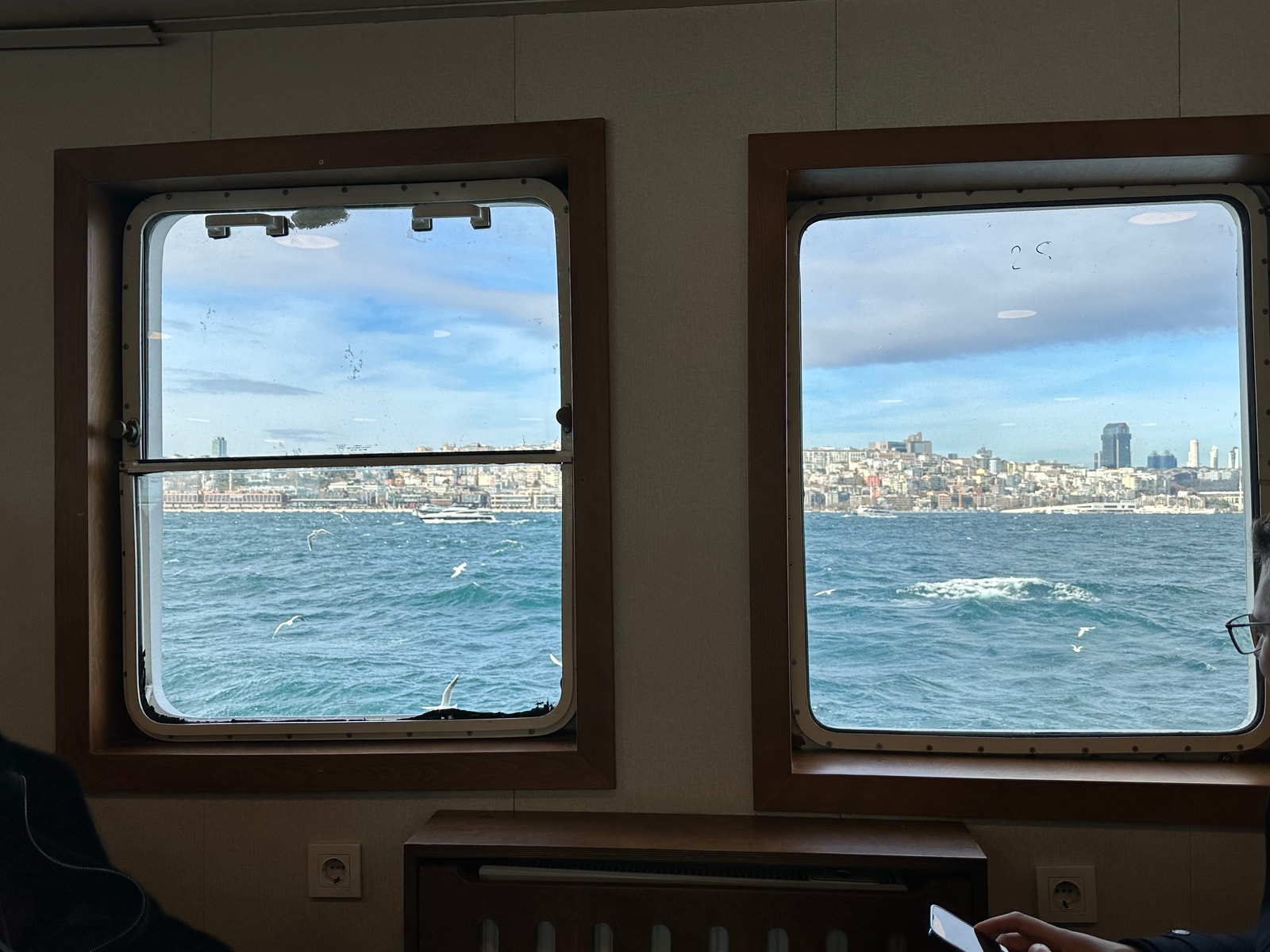
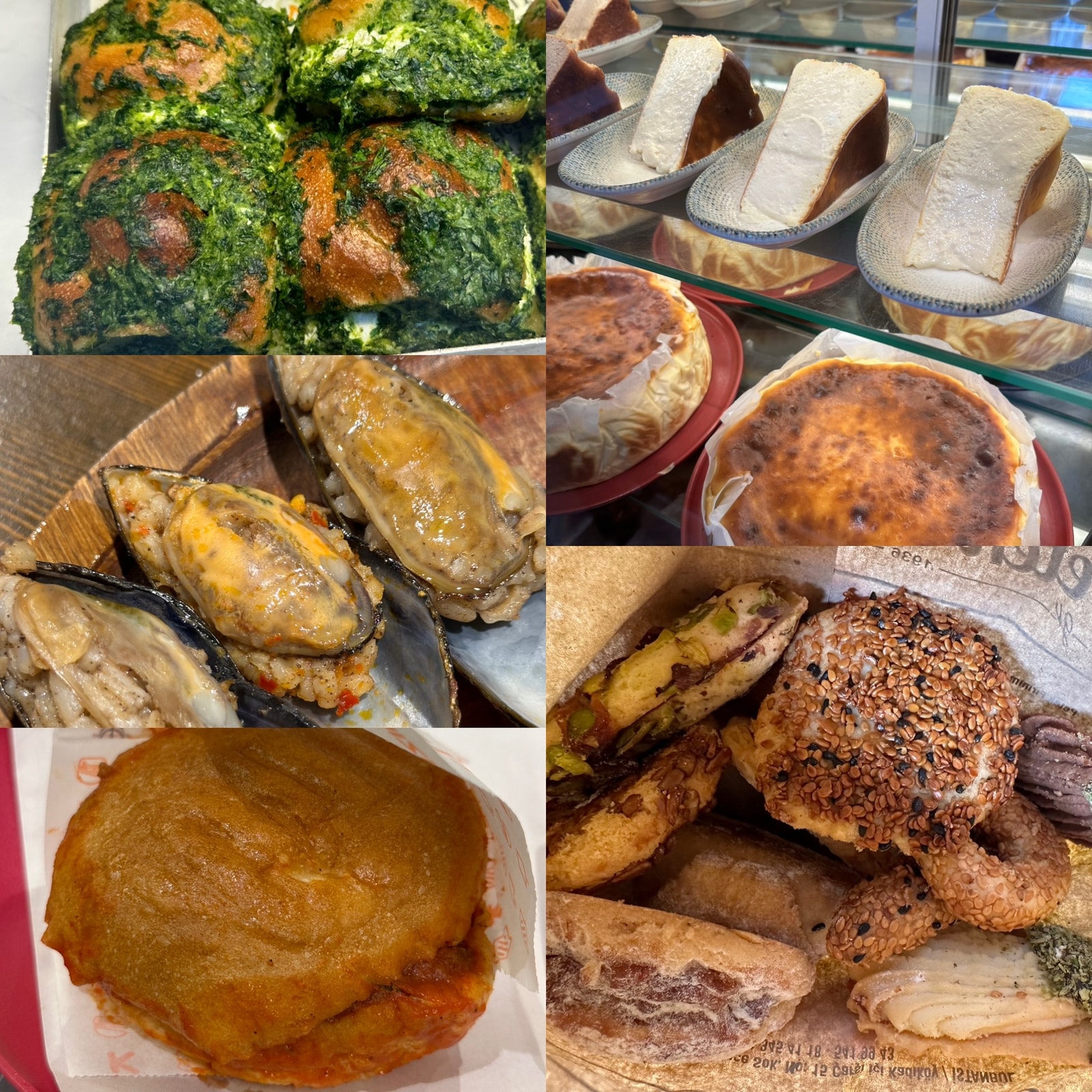
Before catching the metro M4 to the airport, I really needed to have a food tour in the most authentic corner of Istanbul!
Street Food
- Simit — A sesame-crusted bread ring, crispy outside and soft inside. You'll see it everywhere on the streets, usually paired with a glass of çay (tea).
- Balık Ekmek — Fish sandwich. Grilled fish stuffed into bread, made fresh right at the Eminönü docks. Simple, cheap, and exactly what you want when you're hungry by the water.
- Midye Dolma — Stuffed mussels. Rice and spices packed into the shell, a squeeze of lemon on top, and you pop the whole thing in your mouth.
- Kokoreç — Grilled lamb intestines, chopped up with tomatoes and peppers, then stuffed into bread. Not for everyone, but if you're feeling adventurous, give it a shot.
- Kumpir — A massive baked potato, best had in Ortaköy. They scoop out the inside, mix it with cheese and butter, then pile on whatever toppings you want — cheese, corn, pickles, salad, you name it.
Mains
- Döner / İskender Kebab — Rotisserie meat. The İskender version is sliced thin and laid over chunks of bread, then drenched in tomato sauce and yogurt. It's heavy, messy, and worth every bite.
- Lahmacun — Turkish flatbread topped with minced meat and spices, baked thin and crispy. Squeeze some lemon on it, roll it up, and eat it with your hands.
- Pide — A boat-shaped baked flatbread, basically Turkey's answer to pizza. Common toppings include cheese, egg, and minced meat.
- Mantı — Tiny Turkish dumplings, drowned in garlic yogurt and chili butter. They're small enough that you can eat a whole plate and still feel like you could have more.
- Köfte — Grilled meatballs, served in all shapes and sizes with roasted peppers and flatbread on the side.
- Menemen — Turkish-style scrambled eggs slow-cooked with tomatoes and green peppers in a small iron pan. A breakfast staple.
Desserts
- Baklava — Layer upon layer of paper-thin pastry, packed with pistachios or walnuts and soaked in honey. Sweet enough to make your teeth ache, in the best way.
- Künefe — Shredded pastry with a layer of melted white cheese in the middle, served hot. Crispy on top and bottom, stretchy and gooey in the center.
- Dondurma — Turkish ice cream made with salep (orchid root powder), which gives it a thick, chewy texture. The vendors will put on a whole show with a long paddle, teasing you before you finally get your cone.
- Lokum — Turkish delight in rose, lemon, pistachio, and a dozen other flavors. Perfect alongside a small cup of Turkish coffee.
If you only have one day in Istanbul, I hope this guide gives you a solid starting point. The city has a way of pulling you in, so don't be surprised if one day doesn't feel like enough. Enjoy every bite and every view!
Thanks for reading! Blogging is hard work, and your support keeps me going. If this post was helpful, you can buy me a coffee below to support my ongoing travels. Highly appreciate it! 👇
