
Slovakia
Visa: Schengen Area Free Visa Check
Language: Slovak. English is spoken in Bratislava and tourist areas. Less common in rural regions.
Currency: EUR, credit cards accepted in cities. Carry cash for smaller towns and rural guesthouses.
Transportation:
Train: ZSSK runs the national network. Trains connect Bratislava, Žilina, and Košice. The scenic route through the Tatras is slow but spectacular.
Bus: Slovak Lines and FlixBus cover domestic and international routes.
City transport: Bratislava's trams and buses use the same ticket system. Buy from yellow machines at stops. The city center is walkable.
What To Expect
Slovakia is Central Europe's quiet overachiever. It shares borders with five countries and a mountain range with Poland, yet most travelers pass through without stopping. That is their loss. Bratislava, the capital, is compact and walkable, with a charming old town perched above the Danube. The whitewashed Bratislava Castle watches over the river, and the UFO-shaped observation deck on the SNP Bridge offers views into Austria and Hungary on a clear day.
The real treasure is the High Tatras, the smallest alpine mountain range in Europe. The jagged peaks, glacial lakes, and hiking trails create a landscape that looks like Switzerland at a fraction of the cost. Štrbské Pleso and Popradské Pleso are postcard-worthy mountain lakes accessible by moderate hikes. In winter, the Tatras transform into a budget ski paradise.
Slovakia's other draw is its caves. Demänovská Cave of Liberty and Ochtinská Aragonite Cave are among Europe's most spectacular underground systems. And everywhere you go, a plate of bryndzové halušky (potato dumplings with sheep cheese and bacon) costs genuinely pocket change.
Related Guides
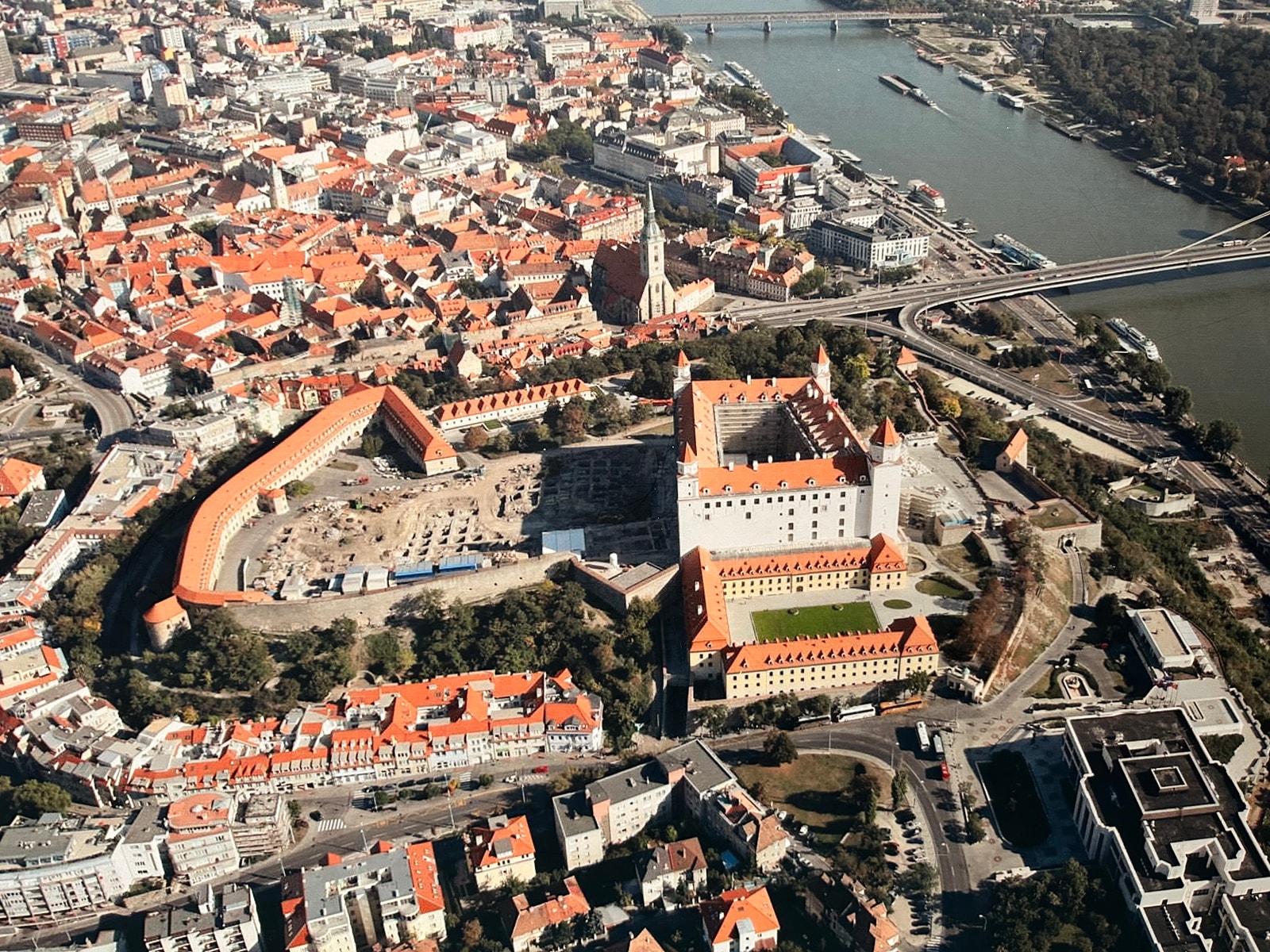
Bratislava is Boring? A 3-Day Escape to Bratislava
2026-07-18## Bratislava is Boring? Bratislava sits just an hour away from Vienna by train. Yet, it is almost always skipped. Squeezed between travel heavyweights like Austria, Hungary, and the Czech Republic, S
Bratislava is Boring? A 3-Day Escape to Bratislava
2026-07-18## Bratislava is Boring? Bratislava sits just an hour away from Vienna by train. Yet, it is almost always skipped. Squeezed between travel heavyweights like Austria, Hungary, and the Czech Republic, S